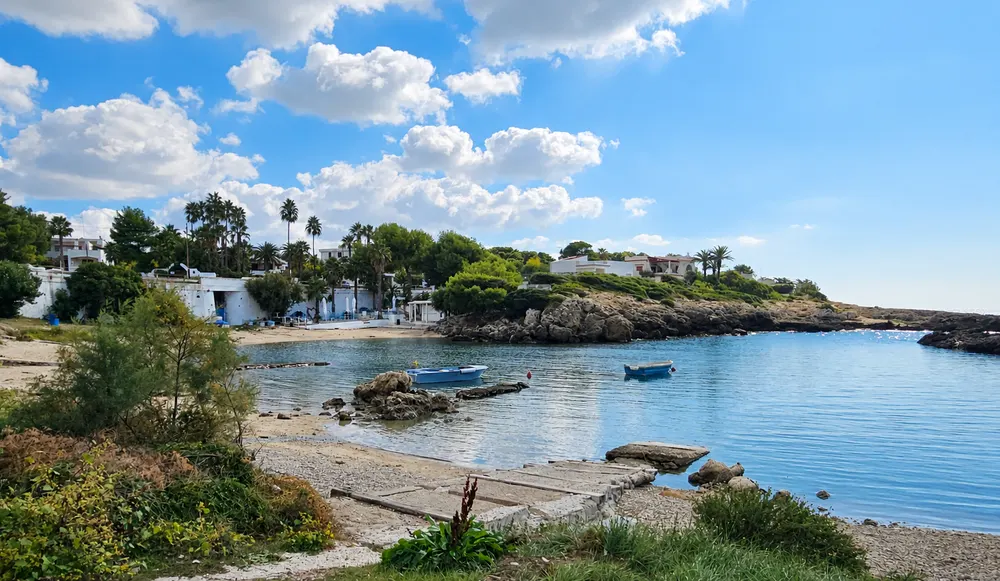
The Ionian Sea is about 200 metres from the house. Along the coast you will find small sandy bays, flat rocks and clear, often shallow water that is ideal for families.
The bay’s beach, a 5-minute walk from the house
The bay beach
~5 min on foot
The closest beach to Casa du Sole: a morning swim, a nap under the umbrella and a sunset drink, all without taking the car.
Baia d’Argento
Pulsano’s “silver bay”: a cove of pale sand and clear water that deepens gently, ideal for children.
Lido Silvana, Le Canne and Montedarena
Pulsano’s beaches, a few minutes away: fine sand at Lido Silvana, small coves and flat rocks towards Le Canne and Montedarena.
Saturo and Leporano
~10 min by car
Rocky coves with crystal-clear water, overlooked by the Saturo archaeological park, an ancient Greek site facing the sea.
Campomarino di Maruggio
~25 min by car
A long sandy beach backed by dunes, clear water that deepens gently and a small harbour that comes alive in the evening.
Torre Colimena and Punta Prosciutto
~45 min by car
White sand and turquoise water, among the finest on the Ionian coast. At Torre Colimena, the Salina dei Monaci reserve often hosts pink flamingos.
Under 45 minutes away
Taranto and its surroundings
Ideal for a half-day or a late-afternoon outing once the heat eases: Greek history, ceramics and Primitivo wine.
~25 min by car
Taranto
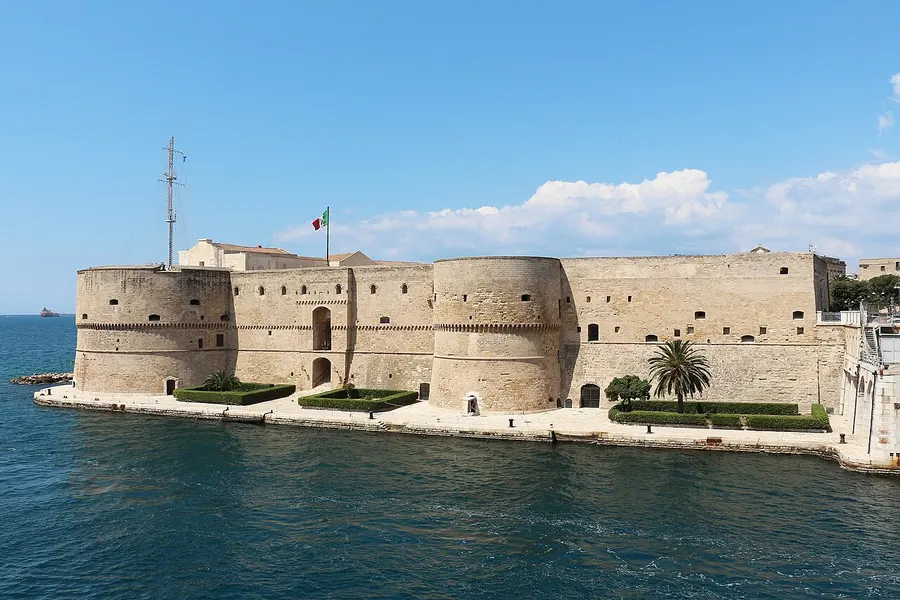
The “city of two seas”: an old town on its island, the Aragonese Castle by the canal and MArTA, one of Italy’s great archaeological museums, famous for the Taranto gold.
Aragonese Castle
MArTA museum
Seafront promenade
~40 min by car
Grottaglie
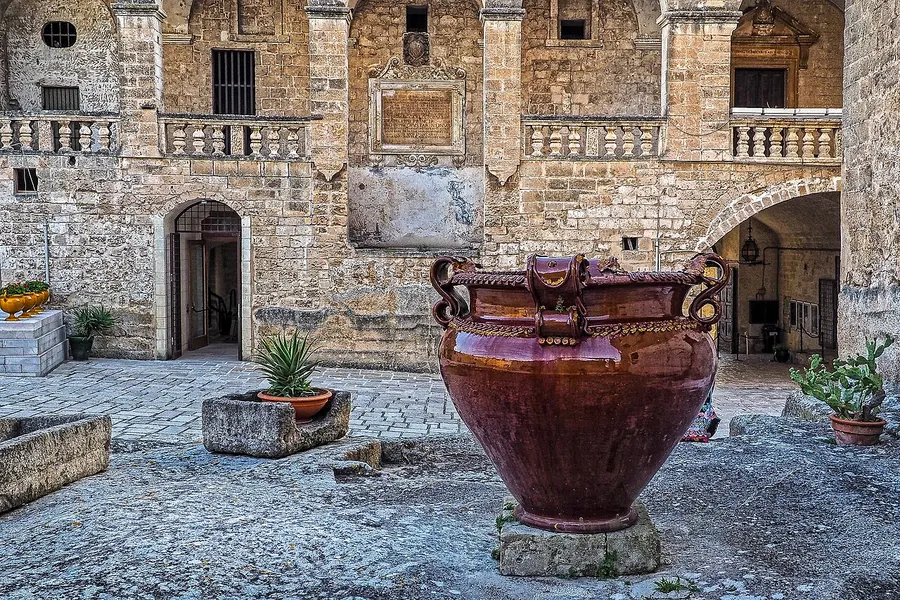
Puglia’s ceramics capital. In the potters’ quarter, workshops carved into the rock keep a centuries-old craft alive: the place for a handmade souvenir.
Ceramics quarter
Ceramics museum in Castello Episcopio
~40 min by car
Manduria
Primitivo country: many estates open their cellars for tastings. The historic centre also hides the Fonte Pliniano, an ancient spring described by Pliny the Elder.
Primitivo di Manduria tasting
Fonte Pliniano
Messapian walls
Day trips
Puglia’s great highlights
Between 1 hr and 1 hr 45 by car: leave early, enjoy each place before the crowds and be back for an evening swim.
~1 h 15 by car
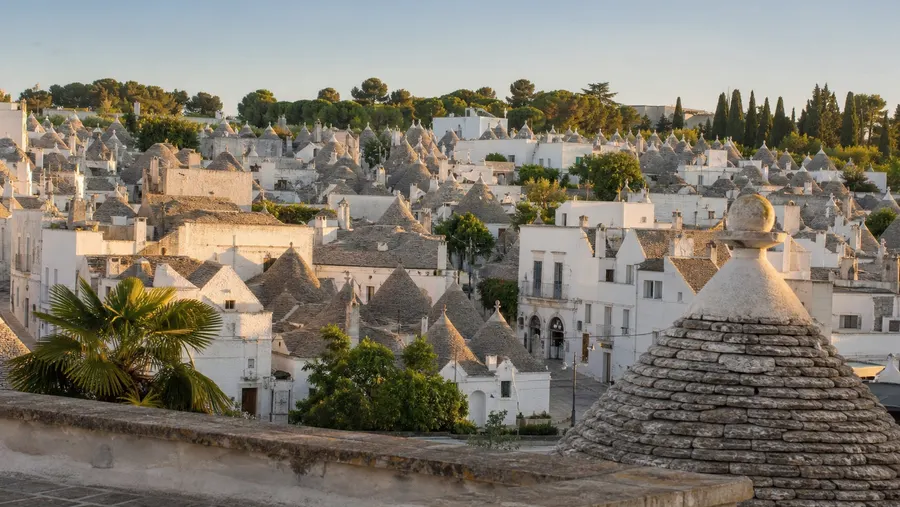
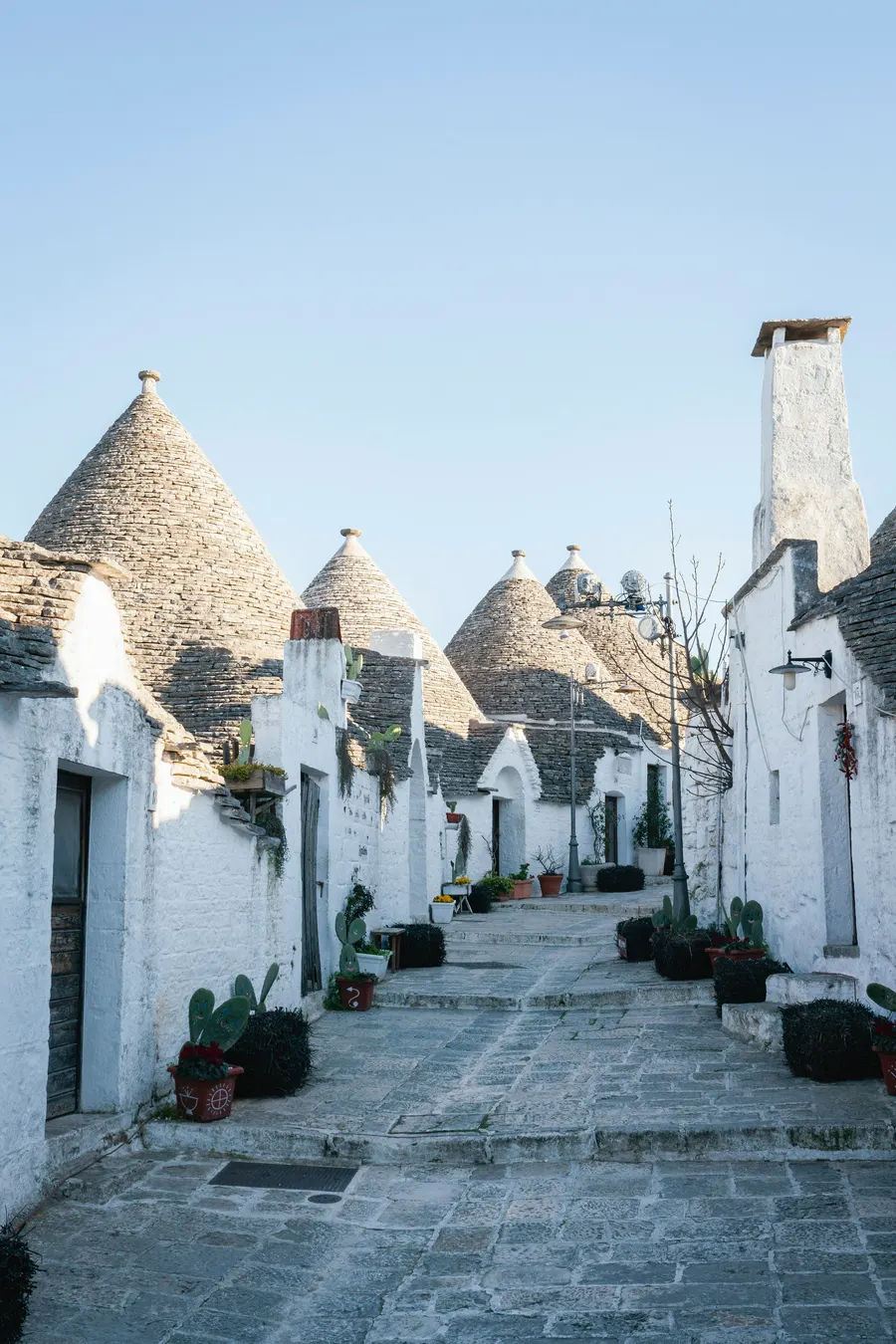
Alberobello
Puglia’s icon: hundreds of cone-roofed trulli form a unique, UNESCO World Heritage landscape. Combine it with Locorotondo and Martina Franca in the Itria Valley.
Rione Monti and Aia Piccola districts
Santa Lucia viewpoint
Early morning or late afternoon
~1 h 45 by car
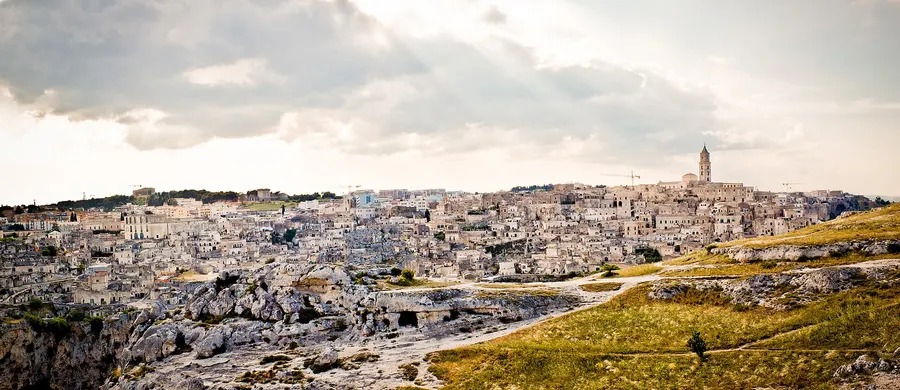
Matera
Just across the border in Basilicata: the Sassi, homes and churches carved into the rock, form one of Italy’s most striking townscapes.
Sasso Caveoso and Sasso Barisano
Rock-hewn churches
Murgia viewpoint
~1 h 30 by car
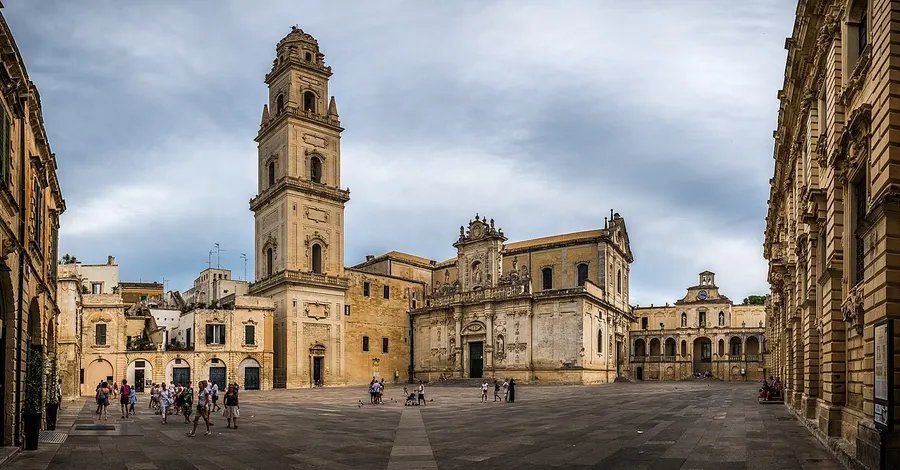
Lecce
The “Florence of the South”: Baroque palaces and churches carved from honey-coloured stone, lively squares and a Roman amphitheatre in the centre.
Basilica of Santa Croce
Piazza del Duomo
Pasticciotto for breakfast
~1 h 20 by car
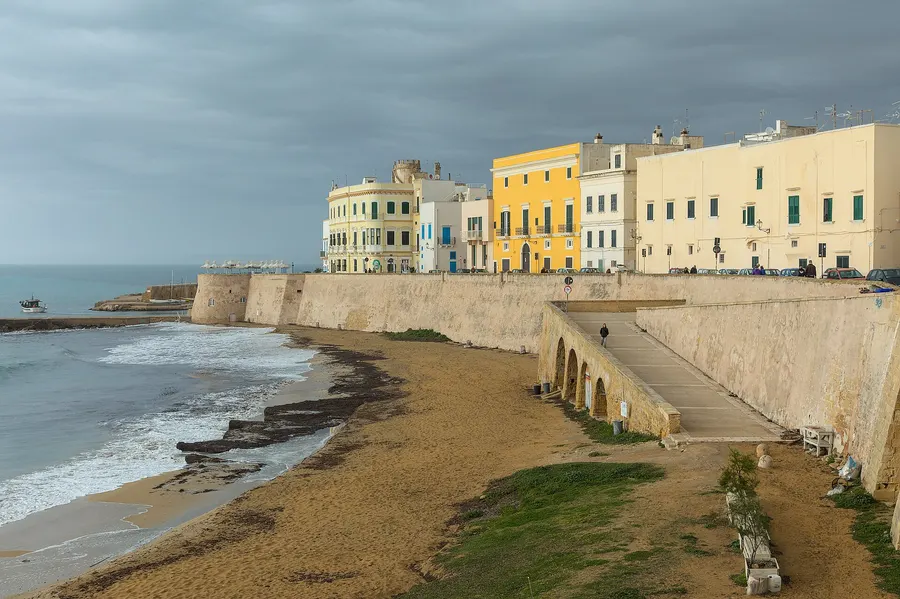
Gallipoli
The pearl of the Ionian Sea: an island old town linked by a bridge, a fishing harbour, sea walls and Purità beach right below them.
Purità beach
Castle and harbour
Sunset from the sea walls
~1 h 15 by car
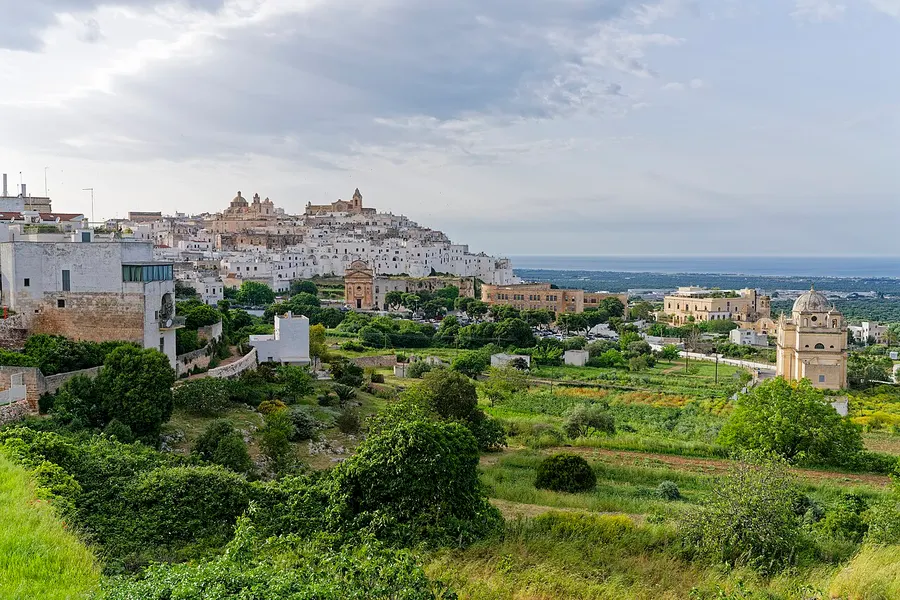
Ostuni
The white town: a maze of lanes, stairways and whitewashed houses perched above a sea of olive trees.
Historic centre
Cathedral
View over the olive plain
~1 h 25 by car
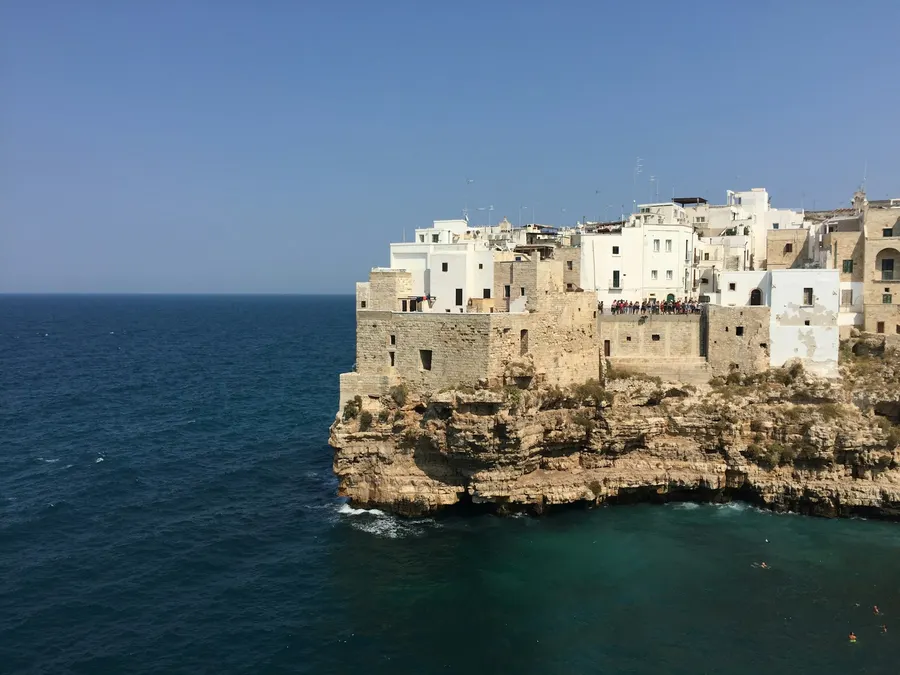
Polignano a Mare
A white town built on Adriatic cliffs, famous for its viewpoints and the Lama Monachile cove.
Lama Monachile
Old town lanes
Sea viewpoints
~1 h 20 by car
Monopoli
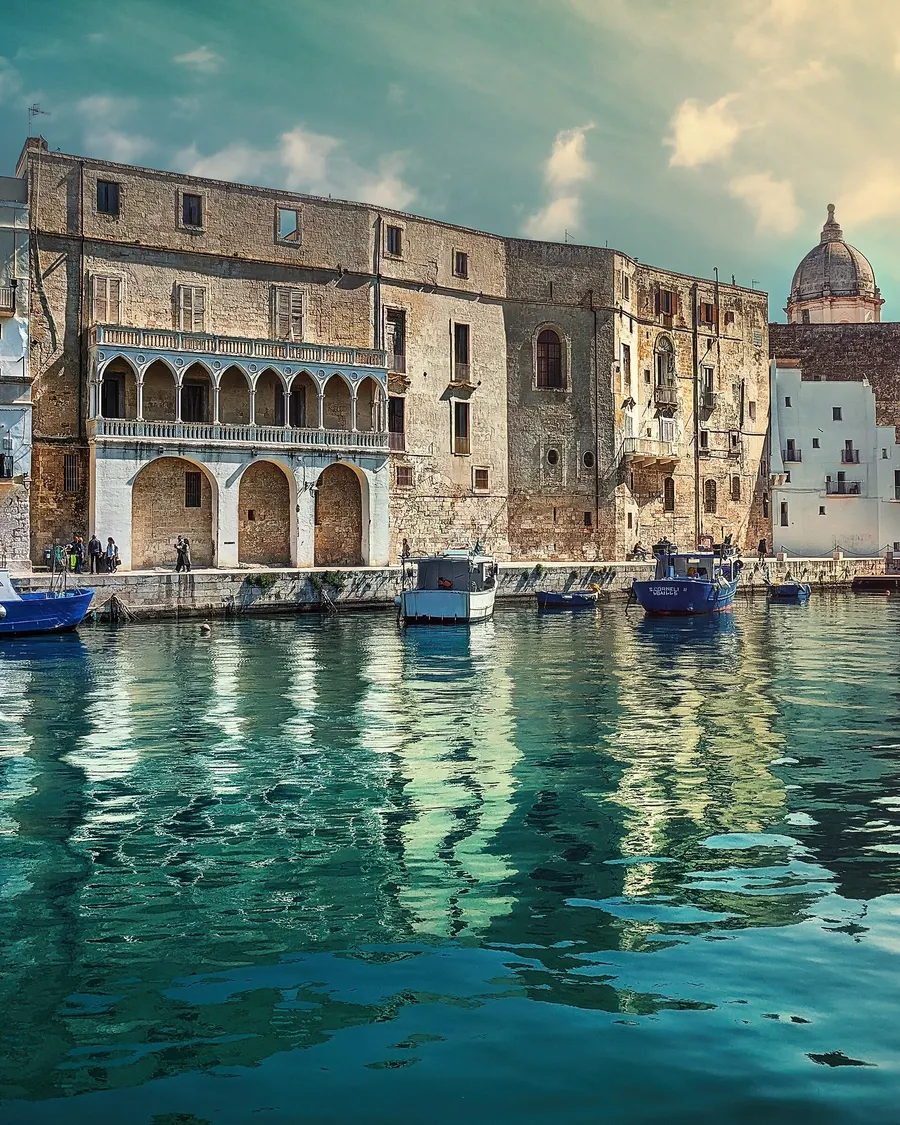
An old harbour with blue fishing boats, white lanes and small coves below the walls. Easy to combine with Polignano.
Porto Vecchio
Cathedral
Porta Vecchia cove
Taste and experience
Puglia’s food and traditions
Simple, generous cooking, characterful wines and, in summer, villages lit up for their festivals.
Local food
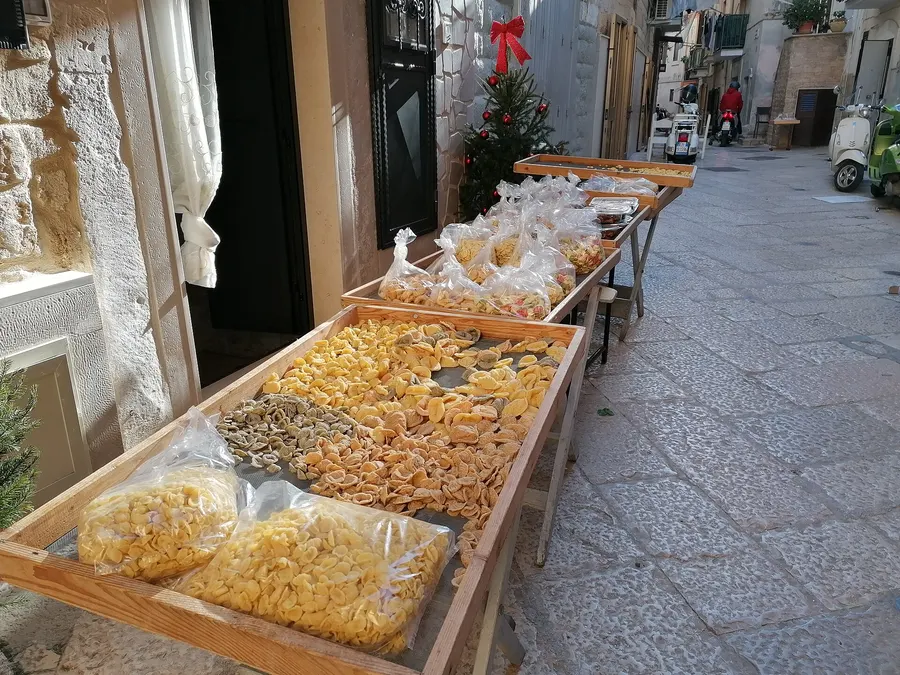
Handmade pasta, sun-ripened vegetables, fresh cheeses and olive oil: Puglian cooking is as good at the trattoria as at the market.
Orecchiette with cime di rapa
Burrata and stracciatella
Friselle, focaccia and panzerotti
Puglia wines
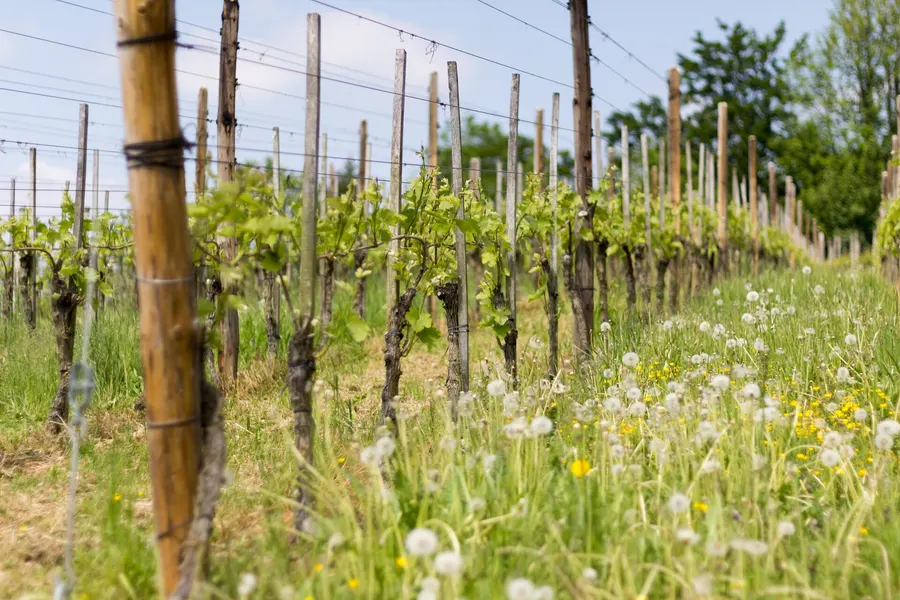
Around Manduria and in Salento, sun and red soil produce warm reds and fresh rosés.
Primitivo di Manduria
Salento Negroamaro
Winery visit and tasting
Festivals and processions
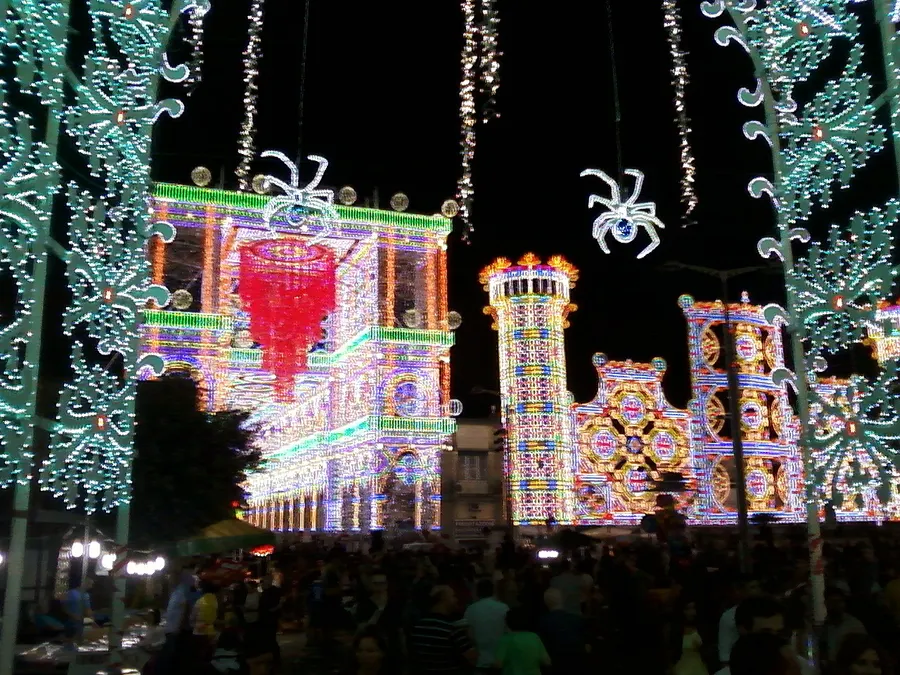
In summer, patron saint festivals, luminarie light displays, brass bands and sagre (food festivals) keep villages lively late into the night.
Luminarie light displays
Village sagre
Summer fireworks
Practical tips
Plan on a car
The sea is within walking distance, but a car is essential for exploring the region.